Desplázate hacia abajo para leer esta entrada del blog en español. (Translated: Scroll down to read this blog post in Spanish.)
Good Nutrition, a Balanced lifestyle, and Potentially Reducing the Risk of Cancer
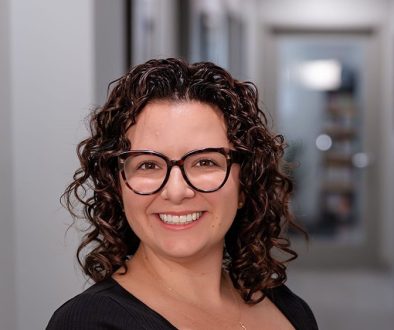
By Iluminada Vilca, MHealthProm, BND, SNAP-Ed NY Bilingual Nutrition Educator II, FVRx Lead Educator

There is no doubt that good nutrition can optimize overall health and wellbeing.
But can good nutrition, when incorporated into a healthy lifestyle, prevent cancer? The answer is not simple, as many factors contribute to the development and recurrence of cancer.
A good example is my dad. He was in remission from prostate cancer for 15 years, lived an apparently healthy lifestyle, and, unexpectedly, his PSA levels started to increase. During his radiotherapy, his dietitian even commented that his diet was better than her own. I truly believe that his diet was and continues to be a key factor in his recovery. Even though he had never heard of the six pillars of lifestyle medicine (1), he was already putting them into practice. I believe this is one of the reasons why his PSA levels are now normal for his age.
My dad has always quoted Hippocrates: “Let food be thy medicine and medicine be thy food.” I grew up hearing these words, and they have stayed with me throughout my life. Today, it seems that society is increasingly recognizing the importance of nutrition in health care. In 2023, the Office of Disease Prevention and Health Promotion (ODPHP) launched the Food Is Medicine (FIM) initiative (2), highlighting the role of nutrition in preventing, managing, and treating chronic diseases.
Now, let’s be clear: there is no magical food that can cure every disease or keep us young forever. However, we can support our overall health and promote healthy aging by maintaining a balanced lifestyle. Good nutrition, regular physical activity, adequate sleep, stress management, positive social connections, and the avoidance of risky substances are part of the six pillars.
At the same time, some physicians are incorporating principles of functional medicine into their practice. The medical community is increasingly recognizing the vital role that food and nutrition play in overall health and disease prevention. The good news is that eating a nutritious, balanced diet does not have to be complicated.
So, where do we start? Let’s begin with the different food groups and the recommendations by the Dietary Guidelines for Americans (3). It is also important to talk to your doctor when trying to make major changes or before following specific diets.
Have a balanced diet by eating a variety of vegetables and fruits of different colors, preferably in season. Include whole grains and vary your protein sources by choosing both animal and plant-based proteins. If you choose animal proteins, prefer lean meats. Include dairy products. If you cannot have dairy, as I do, include calcium-rich foods such as almonds, dark leafy greens, tofu, and calcium-fortified foods. Avoid consuming whole milk in excess. Be mindful of foods that are high in fat, added sugars, and sodium (salt).
Whenever possible, prefer minimally processed foods over highly processed foods as there is some evidence suggesting they may increase the chances of developing some types of cancer (4).
Of course, we are all unique, and we differ from one another, which means that we may respond differently to foods, processed foods, pesticides, and environmental factors. This is because, as I learned a long time ago, we each carry different genetic variations that can influence how our bodies respond to food. Therefore, not everyone will react to the same foods in the same way. Moreover, we may benefit from personalized nutrition approaches based on our individual genetic profiles (5).
On the other hand, fruits and vegetables not only provide the micronutrients we need, but also provide fiber, which is especially important for our gut health. Our gut microbiota is another fascinating topic worth exploring.
A recent study in 2024, led by Erin Campbel, MD, Tom Cambel, MD, and Harris PhD. from the University of Rochester suggests that whole foods and plant-based diet may potentially reduce the risk of cancer (6).
Moreover, according to the University of Rochester Newsroom, a recent 2026 study led by Harris, PhD, and the research team discovered that the antioxidant glutathione may be used as a source of energy for cancer cells (7).
Good news! Everyone will have the chance to ask Dr. Harris questions about the latest research findings during our Zoom presentation to the Breast Cancer Coalition on 8/26. I will be doing a virtual food demo and talking about healthy eating.
Please join us. We hope you can attend!
- The Six Pillars – PMC
- Food Is Medicine: A Project to Unify and Advance Collective Action | odphp.health.gov
- Eat Real Food
- Intake of food additive preservatives and incidence of cancer: results from the NutriNet-Santé prospective cohort – PMC
- Nutrigenomics and Nutrigenetics – PMC
- A whole food, plant-based diet reduces amino acid levels in patients with metastatic breast cancer | Cancer & Metabolism | Springer Nature Link
- Scientists Discover an Unexpected Food Source for Tumors | University of Rochester Medicine
Una Buena Nutrición, Un Estilo de Vida Equilibrado y La Posible Reducción del Riesgo de Cáncer
By Iluminada Vilca, MHealthProm, BND, SNAP-Ed NY Bilingual Nutrition Educator II, FVRx Lead Educator
No cabe duda de que una buena nutrición puede optimizar la salud y el bienestar generales.
Pero ¿puede una buena alimentación, cuando se incorpora a un estilo de vida saludable, prevenir el cáncer? La respuesta no es sencilla, ya que muchos factores contribuyen al desarrollo y a la reaparición del cáncer.
Un buen ejemplo es mi papá. Estuvo en remisión de cáncer de próstata durante 15 años, llevó un estilo de vida aparentemente saludable y, de forma inesperada, sus niveles de PSA comenzaron a aumentar. Durante su tratamiento de radioterapia, la nutricionista incluso comentó que su alimentación era mejor que la suya propia. Estoy convencida de que su dieta fue, y sigue siendo, un factor clave en su recuperación. Aunque el nunca había oído hablar de los seis pilares de la medicina del estilo de vida (1), ya los estaba poniendo en práctica. Creo que esta es una de las razones por las que sus niveles de PSA son ahora normales para su edad.
Mi padre siempre ha citado a Hipócrates: “Que tu alimento sea tu medicina y tu medicina, tu alimento”. Crecí escuchando estas palabras y me han acompañado a lo largo de toda mi vida. Hoy en día, parece que la sociedad reconoce cada vez más la importancia de la nutrición en la atención sanitaria. En 2023, la Oficina de Prevención de Enfermedades y Promoción de la Salud (ODPHP) lanzó la iniciativa Los alimentos como medicina (FIM, por sus siglas en inglés) (2), destacando el papel de la nutrición en la prevención, el manejo y el tratamiento de enfermedades crónicas.
Ahora bien, seamos claros: no existe ningún alimento mágico capaz de curar todas las enfermedades o de mantenernos jóvenes para siempre. Sin embargo, podemos favorecer nuestra salud general y promover un envejecimiento saludable manteniendo un estilo de vida equilibrado. Una buena alimentación, la actividad física regular, un sueño adecuado, el manejo del estrés, las relaciones sociales positivas y evitar sustancias nocivas constituyen los seis pilares.
Al mismo tiempo, algunos médicos están incorporando principios de la medicina funcional a su práctica. La comunidad médica reconoce cada vez más el papel fundamental que desempeñan la alimentación y la nutrición en la salud general y en la prevención de enfermedades. La buena noticia es que llevar una dieta nutritiva y equilibrada no tiene por qué ser complicado.
Entonces, ¿por dónde empezamos? Comencemos por los diferentes grupos de alimentos y las recomendaciones de las Guías Alimentarias para los Estadounidenses (3). También es importante consultar a su médico al intentar realizar cambios importantes o antes de seguir dietas específicas.
Mantenga una dieta equilibrada consumiendo una variedad de frutas y verduras de distintos colores, preferiblemente de temporada. Incluye cereales integrales y varía tus fuentes de proteínas eligiendo tanto proteínas de origen animal como vegetal. Si optas por proteínas animales, elige carnes magras. Incluye productos lácteos. Si no puedes consumir lácteos, como es mi caso, incorpora alimentos ricos en calcio, tales como almendras, verduras de hoja verde oscura, tofu y alimentos enriquecidos con calcio. Evita el consumo excesivo de leche entera. Presta atención a los alimentos con alto contenido de grasas, azúcares añadidos y sodio (sal).
Siempre que sea posible, dé preferencia a los alimentos mínimamente procesados frente a los altamente procesados, ya que existen indicios de que estos últimos pueden aumentar las probabilidades de desarrollar ciertos tipos de cáncer (4).
Por supuesto, todos somos únicos y diferentes entre sí, lo que significa que podemos responder de manera distinta a los alimentos, los productos procesados, los pesticidas y factores ambientales. Esto se debe a que, como aprendí hace tiempo, cada uno de nosotros posee variaciones genéticas distintas que pueden influir en la forma en que nuestro organismo responde a los alimentos. Por consiguiente, no todas las personas reaccionan igual ante los mismos alimentos. Además, podríamos beneficiarnos de enfoques de nutrición personalizada basados en nuestros perfiles genéticos individuales (5).
Por otro lado, las frutas y verduras no solo nos aportan los micronutrientes que necesitamos, sino también fibra, la cual es especialmente importante para nuestra salud intestinal. Nuestra microbiota intestinal es otro tema fascinante que vale la pena explorar.
Un estudio reciente del 2024, dirigido por los doctores Erin Campbell, MD., Tom Campbell, MD. y el Harris, PhD. de la Universidad de Rochester, sugiere que los alimentos integrales y una dieta basada en plantas podrían reducir el riesgo de cáncer (6).
Además, según la sala de prensa de la Universidad de Rochester, un estudio reciente de 2026 dirigido por el Harris PhD. y su equipo de investigación descubrió que el antioxidante glutatión puede utilizarse como fuente de energía para las células cancerosas (7).
¡Buenas noticias! Todos tendrán la oportunidad de hacerle preguntas al Harris PhD. sobre los últimos hallazgos de la investigación durante nuestra presentación por Zoom para Breast Cancer Coalition el 26 de agosto. Yo realizaré una demostración culinaria virtual y hablaré sobre alimentación saludable.
Por favor, acompáñenos. ¡Esperamos que pueda asistir!
- The Six Pillars – PMC
- Food Is Medicine: A Project to Unify and Advance Collective Action | odphp.health.gov
- Eat Real Food
- Intake of food additive preservatives and incidence of cancer: results from the NutriNet-Santé prospective cohort – PMC
- Nutrigenomics and Nutrigenetics – PMC
- A whole food, plant-based diet reduces amino acid levels in patients with metastatic breast cancer | Cancer & Metabolism | Springer Nature Link
- Scientists Discover an Unexpected Food Source for Tumors | University of Rochester Medicine
Published August 24, 2026.