Where Are They Now?
Driven by Purpose: How One Grant Recipient is Examining the Role of Antioxidants in Triple Negative Breast Cancer
By Fatemeh Alimohammadi, doctoral candidate at the University of Rochester

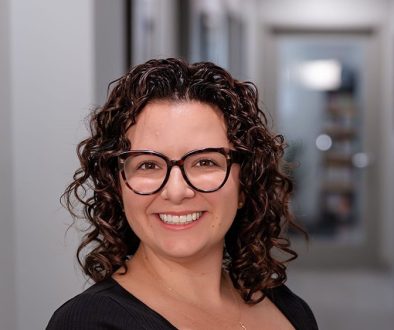
Fatemeh Alimohammadi
In 2025, Fatemeh Alimohammadi, doctoral candidate at the University of Rochester, was one of the Breast Cancer Coalition’s two recipients of the Pamela Delp Polashenski M.D. Breast Cancer Research Trainee Grant. Her proposal, “Understanding Glutathione-Related Dipeptide Metabolism in Triple Negative Breast Cancer,” challenged the conventional notion that antioxidants protect cells and help fight diseases like cancer. Glutathione is an antioxidant, and when it breaks down, it can fuel tumor growth in triple negative breast cancer (TNBC). The aim of Alimohammadi’s study was to identify the mechanisms involved in the breakdown of glutathione and potentially develop more effective therapeutic targets for triple negative breast cancer.
Can you share a bit about your initial proposal for research when you applied for the Coalition’s grant?
I am a PhD student in the lab of Dr. Isaac Harris, who previously received the Coalition’s Faculty Award in 2020, and he encouraged me to apply for the pre-doctoral award when I was in my fourth-year. Prior to the proposal, we found that the antioxidant glutathione (GSH) can be broken down to provide amino acids to triple-negative breast cancer (TNBC) cells. The primary product of extracellular GSH catabolism is cysteinylglycine, which is a dipeptide. An outstanding question (which my research focuses on) is what proteins facilitate the breakdown of cysteinylglycine into the individual amino acids cysteine and glycine, which are used in intracellular tumoral processes.
To examine this, I proposed using a combination of experiments testing TNBC cells grown in a dish and those grown in a living animal. Also, I proposed performing high-throughput drug screening to identify novel vulnerabilities in TNBC cells. By identifying the proteins involved in cysteinylglycine metabolism, we will potentially reveal novel therapeutic targets for TNBC treatment.
What has the Coalition’s grant meant to you? How has it impacted your research?
My grandmother, my cousin, and one of my best friends have passed away from cancer. Further, two of my immediate aunts are breast cancer survivors. I always felt helpless, that these hard days of worry and hopelessness were inevitable. It’s for these reasons that I have become a cancer biologist.
The grant allowed me to do experiments and continue my research. This support from the Coalition was not only financial but also a vote of confidence in my ideas and the potential impact of my work. All of this is extremely important for the next steps in my scientific journey.
Can you share some updates on where your research currently stands?
In order to find the enzyme(s) involved in cysteinylglycine metabolism, I developed an activity assay that measures the rate of cysteinylglycine breakdown. Specifically, this involved incubating proteins with cysteinylglycine and using liquid chromatography and mass spectrometry to measure release of cysteine and glycine. We have optimized this assay and are now fractionating proteins to identify which are responsible for this activity. Additionally, I have performed drug screening with TNBC cells to examine specific vulnerabilities associated with cancer cells using cysteinylglycine as a source of amino acids. We are analyzing these results and planning followup experiments.
What motivates you most as a researcher?
What motivates me most is the possibility that our findings in the lab could one day improve the lives of patients. I like that science allows us to ask questions that no one has answered before. It is especially exciting when basic research points us toward a new way of thinking about treatment.
In addition, having this chance to be supported by the Breast Cancer Coalition of Rochester motivated me to keep pushing forward, and I appreciate it.
Where Are They Now? is a new Coalition Voice segment that will share updates in research from past Coalition grant recipients. To date, the Coalition’s Breast Cancer Research Initiative has awarded more than $1.2 million in seed grants to researchers in New York State. These grants have the potential to fund research that will yield significant medical breakthroughs in the cause, prevention, prevention of metastasis, and cure of breast cancer.