Breast Cancer in Young Adults
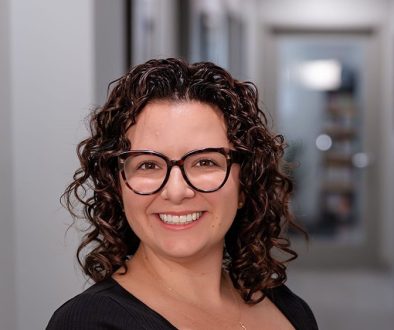
By Renee Nearpass, Emerging Leader, Advocacy Co-Chair, Alamo Breast Cancer Foundation Advocate Scholar

I was surprised to learn at age 45 that I was diagnosed with breast cancer. Was it common for a premenopausal woman to get breast cancer? What had I done wrong? What do I need to consider regarding treatment and how will this affect my life as a business owner and mom with young teenagers at home? I had attended Young Survivor gatherings at the Breast Cancer Coalition of Rochester where I had met people who were younger than I, finding it eye opening that these amazing young women were being diagnosed as early as their 30s.
Since then I have become motivated to do more. Throughout my journey as an advocate over the last couple of years, I have met more young adults from across the country with a breast cancer diagnosis and questioned, why is this an increasing trend, and how are their concerns at this stage of life being addressed? In the fall of 2024, I was honored to receive a scholarship from the Alamo Breast Cancer Foundation to attend the San Antonio Breast Cancer Research Symposium, which took place in December of 2024. It is a week-long conference where scientists, health care providers, educators and advocates from around the world gather to present and learn about the latest developments in breast cancer research. Sadly, it was not uncommon to hear various presenters voice that the number of breast cancer diagnoses in young people is rising.
What is important to take into consideration is that young adults with breast cancer face many questions. This includes fertility, child bearing, adverse effects of hormonal changes and treatment as well as anxiety of breast cancer recurrence and metastasis. They may also question how this might affect their professional life and relationship with their partner. These concerns were discussed by presenter Jennifer Y. Sheng, MD during the educational session, Mind the Gap – Breast Cancer in the Young: Survivorship. Dr. Sheng stressed that young people with breast cancer are often underrepresented in clinical research trials, and the selection of outcomes in studies do not always match the priorities of the young individual (Sheng, 2024).
Dr. Sheng, MD of Johns Hopkins Medicine, discussed the unique concerns of young adults with a breast cancer diagnosis, calling for the need of a multidisciplinary approach in the treatment and support of these individuals. Incorporating various strategies to support these patients is important to help optimize survival and quality of life (Sheng, 2024).
The take home message I gathered in Dr. Sheng’s presentation and throughout the conference was the emphasis of a patient centered approach and ongoing communication between patient and health care provider. Regarding fertility and pregnancy, she stresses that it is important for health care providers to discuss the patient’s fertility goals, values, preferences and risks. At diagnosis patients would be referred to an oncofertility specialist if they are considering fertility preservation (freezing of embryos and ovarian tissue) or assisted reproductive technology (Cui et al, 2023; Lipsync-Sharf, Partridge A, 2023; Sheng 2024). In reference to breast cancer treatment, conversations would include contraception and potential risks and benefits of fertility suppression (Cui et al, 2023; Lipsync-Sharf, Partridge A, 2023; Sheng 2024). Communication would also include appropriate timing for pregnancy after treatment based on patient health status and risk of recurrence (Cui et al, 2023; Lipsync-Sharf, Partridge A, 2023; Sheng 2024). Dr. Sheng indicated that there is limited collection of data on ovarian toxicity in clinical trials, monitoring for symptoms of amenorrhea and evaluation of certain hormones including follicle stimulating hormone and estradiol concentrations.
Evidence presented a greater number of women interested in maintaining fertility at the time of their diagnosis. The Young Women’s Breast Cancer Study (a prospective cohort of women diagnosed at age 40 and younger between 2006 and 2016) has shown that 36% of patients were interested in having biological children at least once within 5 years post diagnosis (Poorvu P, et al, 2021; Sheng 2024). Additionally, 69.2% of women who attempted pregnancy conceived, including 2% of women who did not actively try to become pregnant (Poorvu P, et al, 2021; Sheng 2024).
A retrospective cohort study including pregnancy in gBRCA carriers under the age of 40, has shown incidence of pregnancy across 10 years at 22% with a median time frame of 3.5 years spanning from diagnosis to conception (Lambertini M et al, 2024; Sheng 2024). It was further noted that at a medium follow-up of 7.8 years, no significant difference in disease-free survival was shown between those who were and were not pregnant with breast cancer (Lambertini M et al, 2024; Sheng 2024).
The POSITIVE study, published in the New England Journal of Medicine, included a single group research trial evaluating breast cancer events of participants at 42 years and younger with hormone positive breast cancer who had paused endocrine therapy (after 18 to 30 months) to try and conceive (Partridge A et al, 2023). The median age was 37 and 93.4% had hormone receptor positive breast cancer at stages I or II (Partridge A et al, 2023). Among the 497 women followed, 74% had at least one pregnancy (Partridge A et al, 2023). The 3 year incidence of breast cancer events was 8.9% in the group that paused endocrine therapy to conceive, compared to the control cohort, which was 9.2% (Partridge A et al, 2023).
Younger women with breast cancer also consider associated reproductive technologies (ART) and fertility preservation (FP). This includes ovarian stimulation and cryopreservation of eggs/embryos. FP is associated with higher incidence of births and greater use of ART. A 10 year cumulative incidence of births was 40.7% among the FP group vs 15.8% among comparators (Marklund A et al, 2021; Sheng 2024). Furthermore, a 5 year disease-specific survival was 96.9% in ART and 94.1% in non ART (Rauh-Hain J, et. 2022; Sheng 2024). According to further analysis of the POSITIVE study, using ART or FP did not significantly increase 3 year recurrence risk for participants with hormone positive breast cancer who paused endocrine therapy to become pregnant (9.7% in ART group v 8.7% in non-ART group) (Azim H, et al. 2024; Sheng 2024). Additional studies and further follow up are needed regarding longer term safety (Azim H et al. 2024; Partridge A et al, 2023).
Dr. Sheng notes that psychosocial health is an important factor regarding younger women and breast cancer diagnosis. It has been shown that women at younger ages are at greater risk of psychosocial distress compared to those diagnosed with breast cancer at older ages (Gradishar WJ et al. 2022; Sheng 2024). According to surveys, which evaluated coping strategies for stress, social support was the most commonly used strategy, particularly from a partner or friends (Krasne M et al., 2022; Sheng 2024). Additionally, those utilizing emotional support from family were less likely to have anxiety after two years post-diagnosis (Krasne M et al, 2022; Sheng 2024). Individuals relying on alcohol/drugs or taking care of others, reported having more anxiety (Krasne M et al. 2023; Sheng 2024).
Fear of cancer recurrence (FCR) is highly prevalent in young people diagnosed with breast cancer. Dr. Sheng added that this decreased over time with a reduction in FCR of women from baseline to 5 years (65% down to 48%) (Schapira L et al., 2022; Sheng 2024). A randomized control trial measuring the effects of cognitive-existential fear of recurrence therapy (FORT) has shown to be helpful in reducing FCR compared to control post-treatment and three months post-treatment (Maheu et al. 2023 & 2016; Sheng 2024).
Structured couples therapy has specifically shown to be helpful in reducing anxiety and distress about oncofertility, which addresses both cancer care and fertility health. It has improved fertility consultation and knowledge for couples (Koizumi T et al. 2023; Sheng 2024). For patient partners, therapy improved stress-coping and escape-avoidance marital communication (Koizumi T et al. 2023; Sheng 2024).
In terms of treatment related issues, insomnia is highly prevalent during chemotherapy. Cognitive behavioral therapy and bright light therapy as well as relaxation techniques have been shown to be effective after 6 weeks of therapy resulting in clinically significant reduction in the levels of insomnia (Bean HT et al, 2022; Sheng 2024). This resulted in an improvement in fatigue as well (Sheng 2024).
Physical inactivity and excess weight have been a common issue among newly diagnosed younger women (Sheng 2024). In a prospective cohort of women initiating endocrine therapy, this was greater demonstrated in pre-menopausal compared to postmenopausal women (Uhelski A et al. 2024; Sheng 2024). According to the Young and Strong Study, provider attention has been shown to improve length of patient exercise compared to those without provider attention (Ligibel J et al. 2023; Sheng 2024). Evidence based lifestyle recommendations from the NCCN, The National Comprehensive Cancer Network, indicate a minimum of 150 minutes per week of tailored physical activity, 2 to 3 sessions per week of strength/resistance training (including major muscle groups) as well as core and balance training (2024). Nutritional guidance from a healthcare provider is additionally valuable (2024). Dr. Sheng highlighted the importance of limiting processed foods and red meat as well as reducing sugar and drinking alcohol sparingly, if at all (Sheng 2024).
Dr. Sheng addressed that another issue in young adults with breast cancer is early discontinuation of endocrine therapy. This is commonly due to side effects including fatigue and insomnia, and may be further influenced by those living alone, at a lower stage of cancer, those not undergoing chemotherapy and those on chronic non-cancer related medication (Sheng 2024). Interventions including Patient Reported Outcomes, support groups, navigators and psychologists may help (Sheng 2024).
Menopausal symptoms including vasomotor symptoms (hot flashes, night sweats, dizziness, chills), sexual dysfunction and vaginal dryness, may be an issue for young women as well, posing lifestyle concerns. Non-hormonal treatments may be helpful for patients. Dr. Sheng reports that cognitive behavioral therapy, acupuncture, hypnosis, yoga and mindfulness-based stress reduction strategies may help (Hickey M et al. 2024; Sheng 2024). Patients may also work with their doctor regarding certain pharmaceutical options as well as non hormonal vaginal lubricants and moisturizers (Hickey M et al. 2024; Sheng 2024). According to the ASCO (American Society of Clinical Oncology) educational book, it is advised to eliminate products including irritants such as parabens and artificial fragrances (Lambertini M, et al 2023; Sheng 2024). According to studies, management of other endocrine therapy related issues, including musculoskeletal symptoms, insomnia and fatigue, are exercise, acupuncture, physical therapy, nutrition and certain supplements as recommended by their doctor (Cucciniello L et al. 2023; Sheng 2024).
Dr. Sheng’s presentation ended by highlighting the value of supportive care for young adults diagnosed with breast cancer. She recommends a multidisciplinary team of providers encompassing social workers to help with financial issues and return to work concerns, peer support groups, oncofertility specialists, pelvic floor physical therapists to help with sexual pain and return to intimacy, psychologists for body image concerns and fear of recurrence as well as menopause specialists to help manage related symptoms (Vuong S, Warner E, 2024; Sheng 2024). She adds that insurance programs fall within the realm of support as well. For example, medicaid expansion in 2010 has shown an increase in endocrine therapy by 2.4% of individuals and was associated with reducing treatment delays of 60 days after diagnosis by 1.65% in young adults (Ji X et al. 2023; Sheng 2024).
Going forward I plan to learn more about the biology of breast cancer in the young and what may be influential in creating cellular changes potentially increasing the risk of breast cancer. Additional sessions at SABCS included looking at mammary development and changes to “normal” breast during pregnancy, as presented by Camila dos Santos, in her session entitled Mind the Gap – Breast Cancer in the Young, Biology of Breast Cancer in Young Women (dos Santos 2024). A poster presentation, entitled, Establishing an Ex-Vivo Model for Postpartum Involution and Breast Cancer Susceptibility, examined breast cell changes while returning to a pre-pregnancy state after delivery (Karami, Samaneh et al 2024). The dos Santos study looked at external factors specifically, UTIs and its systemic influence, particularly on breast changes. The examiner added that this is important to understand in younger adults since they statistically have an increased risk of UTIs during pregnancy (dos Santos 2024).
I look forward to learning more about breast cancer in the young with the hope of additional studies done for this unique population. This may offer further insight to understanding why breast cancer is increasing in this population, how to prevent this and ultimately finding ways to stop it.
References:
- Azim H, et al. J Clin Oncol 2024 PMID 38810178
- Bean HT et al. Sleep PMID 34618907
- Balazard F et al. J Natl Cancer Instit PMCID 10483331
- Cucciniello L et al. Cancer Treat Rev PMID 37751658
- Cui et al. Lancet Oncol PMID 37797647
- Dos Santos, Camila, PhD, “Mind the Gap – Breast Cancer in the Young: Biology of Breast Cancer in Young Women”, Lecture/PowerPoint presentation, San Antonio Breast Cancer Symposium, December 10, 2024
- Gradishar WJ et al. J Natl Compr Canc Netw PMID 35714673
- Hickey M et al. Lancet PMID 38458217
- Ji X et. al. JNCI Cancer Spectr PMCID 10534051
- Karami, Samaneh et al., “Establishing an Ex-Vivo Model for Postpartum Involution and Breast Cancer Susceptibility”, Poster Presentation, San Antonio Breast Cancer Symposium, 12/13/24
- Koizumi T et al. Cancer PMID 37082910
- Krasne M et al. Support Care Cancer PMCID 10236528
- Lambertini M et al. JAMA PMCID 10704340
- Lambertini M, Et al. Am Soc Clin Oncol Educ Book PMID 37229618
- Ligibel Jet al. Cancer PMID 37016839
- Lipsyc-Sharf M, Partridge A. Surg Oncol Clin N Am PMID 37714641
- Maheu et al.Health Psychol PMID 36862474
- Maheu et al. BMC Cancer PMID 27112319
- Marklund A, et al. JAMA Oncol PMCID 7677871
- Molinelli C et al. Curr Treat Options Oncol PMCID 10997548
- NCCN Clinical Practice Guidelines in Oncology: Survivorship. Version 1. 2024
- Partridge, Ann, International Breast Cancer Study Group, et al. “Interrupting Endocrine Therapy to Attempt Pregnancy after Breast Cancer” N Engl J Med 2023 PMCID 10358451
- Poorvu P, et al. Cancer 2021. PMID 33259061
- Roche N et al. Eur J Oncol Nurs PMID 36623339
- Rauh-Hain J, Et al. Cancer PMCID 9378486
- Schapira L et al. Cancer PMID 4614212
- Schmidt JA et al. JClin Oncol PMID 38917383
- Sheng, Jennifer, Y. MD, “Mind the Gap – Breast Cancer in the Young: Survivorship”, Lecture/PowerPoint presentation, San Antonio Breast Cancer Symposium, December 10, 2024
- Uhelski Aet al. J Cancer Surviv PMCID 11424737
- Vuong S, Warner E. Ann Palliat Med PMID 39168640
- Woolpert KM et al. Breast Cancer Res PMCID 11003111
This Blog first appeared as the feature article in the Spring 2025 issue of Voices of the Ribbon.