Feature:
Peer Advocates Lending Support – The Power of Relationship
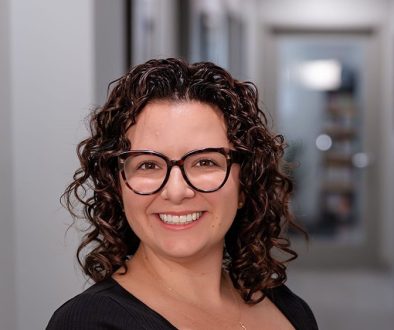
By Yvonne Paul, Program Administrator
“You are not alone — there is hope. Just stop, pause, take a deep breath.”

These are the words of the late Patricia Battaglia, a beloved member of our Coalition community, who spoke with 13WHAM News last October at the beginning of Breast Cancer Awareness Month. With the biggest heart, Pat knew firsthand what it felt like to receive a cancer diagnosis. She also knew what it meant to show support to survivors, especially to those who were just diagnosed with breast or gynecologic cancer. Shortly after connecting with the Coalition, more than twenty years ago, Pat helped to create the PALS (Peer Advocates Lending Support) Program. This program connects those who have recently received a breast or gynecologic cancer diagnosis with a mentor, or someone who has “been there.”
The PALS mentor/mentee match is thoughtfully established to create a safe rapport and an opportunity for those who are new to their diagnoses to get the emotional support they need. As Pat reflected on the PALS program during her interview last October, “This just adds a whole new dimension where you can really process the information and speak with somebody who’s been through it, who can speak to you from that level of understanding, of personal experience.”
I recently had the opportunity to catch up with Karen F., a PALS mentor that has been with the Coalition since her breast cancer diagnosis over 6 ½ years ago, along with one of her mentees to discuss the power of having this relationship. Linda W., a recent mentee of Karen’s, says, “Having a mentor who had gone through the same diagnosis and procedures made me feel less alone. It gave me reassurance and helped me prepare – mentally and physically – for what was coming. I felt safe asking questions because she truly understood what I was experiencing – she lived it!”
Since the beginning, more than two decades ago, the PALS Program has served thousands of breast and gynecologic cancer survivors in our region, and it continues to be an integral part of the Coalition. The relationships are crafted intentionally to match each mentor and mentee based on a variety of factors including the type of cancer diagnosis, treatment options (i.e., surgery, chemotherapy, radiation, immunotherapy), age at diagnosis, marital status, family structure, work status (actively working or retired), and other important aspects.
Linda W. perfectly states, “Being able to ask, ‘Did this happen to you? Is this normal?’ was incredibly comforting. And talking to someone who has made it through reminded me that I could too. It gave me a sense of hope!”
That is what our PALS Program is intended to do for our community of survivors. PALS is meant to create an opportunity for judgement-free communication with a new friend who has traveled along a similar path. The mentor-mentee relationship helps to answer questions, talk out treatment options, and discuss emotions and feelings that come up during active treatment and beyond. Karen F. echoes this statement by saying, “… an opportunity to come alongside and lend strength… I can offer to listen, validate, empathize, clarify, educate, and encourage someone overwhelmed by questions; they then find the strength to move forward with their treatment plan.”
Peer mentoring provides camaraderie and a sense of understanding, especially when there is a shared lived experience. Linda W. shares, “Family and friends are incredibly important because they offer love and emotional support, but they may not fully understand what you’re going through. That’s where a PALS mentor becomes so valuable. Having someone who has actually been there brings a different kind of support – someone who understands both the physical and emotional challenges firsthand and can share their experiences with you.”
Many PALS mentors and mentees become close friends and stay in touch long after active treatment has finished. Our matches are made with such thoughtfulness that the mentors and mentees end up sharing so much more than cancer. As Karen F. states, “Being a PALS mentor has connected me in a beautiful way to so many people, who just like me, have families, dreams, strengths, and desires. I am now part of a new network for their support and together we find friendship along the way.”
Are you interested in becoming a PALS mentor? Did you have a mentor when you were initially diagnosed with breast or gynecologic cancer? Was your mentor supportive, comforting, and able to provide camaraderie before, during, and after your treatment? Do you feel the desire to provide support to newly diagnosed individuals in a meaningful way? Our PALS Mentor Training is offered once a year as a full-day training which focuses on the psychosocial aspect of mentoring and relationship building. If you are interested in becoming a mentor, please reach out to Yvonne Paul at yvonne@bccr.org for additional details.


This Blog first appeared as an article in the Autumn 2025 issue of Voices of the Ribbon.