Secondary Lymphedema in Gynecologic Cancer Survivors and the The Importance of Self-Advocacy
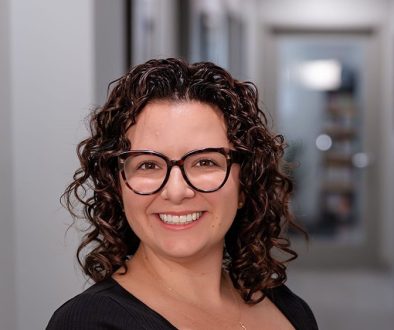
By: Helana Shumway, Community Engagement Liaison
Here at the Coalition, it is our mission to support breast and gynecologic cancer survivors from the point of diagnosis through survivorship. Whether someone has been recently diagnosed or is several years out from treatment, we are here to offer support at any time.
As survivors of breast and gynecologic cancers know firsthand, long-term health effects can follow cancer treatment, whether it be directly related to surgical intervention, chemotherapy, or radiation. Over the course of this year, we have hosted Evening Educational Webinars on a monthly basis that offered an overview of radiation therapy and potential long-term effects (presented by Kimberly Gergelis, MD, in February), and the long-term effects of chemotherapy (presented by Rachel David, MD, in April). All recordings of our Evening Webinars can be found at bccr.org.
Our July 2024 Evening Webinar focused on lymphedema, a chronic health condition that causes swelling in different areas of the body, often in the arms, hands, legs, and feet. If the lymphatic system is improperly working, fluid and protein can build up underneath the skin’s surface. Candice Leach, MD, and Melissa Clark, MS, OTR/L, CLT, explained that there are two types of lymphedema: primary lymphedema, a congenital condition; and secondary lymphedema, which can result from damage to the lymphatic system.

Breast and gynecologic cancer survivors can develop secondary lymphedema if lymph nodes were removed or damaged during surgery, or if lymph nodes were damaged during radiation. We are so appreciative that during July’s webinar, Ellen S. spoke about her experiences as a gynecologic cancer survivor living with lymphedema.
Ellen shared that she had a hysterectomy in November 2019 after being diagnosed with uterine cancer. By March 2020, she noticed that her left thigh was bigger than her right. Over the next several months, her left calf also got bigger.
Ellen reached out to her gynecologic oncologist to share her concerns, who, in her words, “kind of pooh-poohed it, saying, ‘Well, at least you’re handling it well’.” The reality was that Ellen was struggling. She was referred to physical therapy.
In 2021, the swelling in her leg had still not improved. Ellen continued to advocate for her needs and contacted a local lymphedema specialist who ordered a lymphoscintigraphy(1) to test for lymphedema. The initial test results came back negative, and Ellen was told she did not have lymphedema. From here, she was referred to a vascular doctor, who said she was eligible for a vein ablation in her leg. However, it was unclear whether the procedure would relieve the swelling. Ellen decided to go ahead with the surgery; unfortunately, it did not help.
Come 2022, her ankle also began to swell. She returned to the specialist, prioritizing the importance of being her own best advocate. “I told [my provider] that I wanted another lymphoscintigraphy, because I didn’t feel like they read it right the first time, and I knew that something was not right with my leg,” she recalled.
Finally, after two years of advocating for her health, Ellen received an answer. She was right – the second lymphoscintigraphy confirmed she had lymphedema. Her provider said she was eligible for lymph node transfer surgery, but Ellen was hesitant.
Her physical therapist recommended that Ellen contact Cleveland Clinic, which has a Lymphedema Surgery & Lymphatic Reconstruction department. She researched and found a provider who was able to see her in December 2022. “[The doctor] told me that I not only had lymphedema, but I also had lipedema(2), and in order to help improve my lymph system, he’d have to do liposuction on my leg … from my ankle to my knee,” she explained.
Ellen felt well-informed and was ready to proceed. “I decided I wanted to do [the surgery]. I wanted to be able to have pants that fit my calf and my thigh.” In April 2023, more than three years after first noticing symptoms of lymphedema, she had the liposuction procedure at Cleveland Clinic.
Her recovery did not stop there – she had to use compression wraps from her toes up to her groin 24 hours a day for five weeks, removing them only for showers and brief periods to let her leg breathe. She relied on the help of her husband to assist in wrapping, as she was unable to do it herself. Ellen’s husband, as she puts it, “became an expert” at wrapping her leg, and they decided to record a video of the process to share with others who had had similar liposuction procedures.
Ellen recently had her one-year post-surgical follow-up appointment at Cleveland Clinic and received great news. “He said that my lymph system had improved quite a bit,” she reported. She is currently eligible for additional liposuction on her upper leg and would be a potential candidate for a lymph vessel anastomosis(3) following that. Or her provider is comfortable with watching how Ellen does over the next year.
“That’s what I opted to do. I’m very happy with how my leg looks,” said Ellen. “I would encourage anyone who has lymphedema to see someone and see what can be done. Because it’s not a cure, but it’s a treatment, and it is so much easier to live with.”
We are grateful to Ellen for sharing her story. Her committed self-advocacy is a strong reminder that we know our bodies better than anyone else. Advocating for our health and well-being is paramount, particularly in the context of complex medical decisions that breast and gynecologic cancer survivors often face.
The Coalition will always remain a resource for survivors to discuss their self-advocacy and share their experiences. Additionally, we offer a Lymphedema Discussion Group on the second Wednesday of every month at 6:00PM in a hybrid format. Whether you are a survivor of breast or gynecologic cancer living with lymphedema, a caregiver, someone who is at risk of developing the condition, or a lymphedema therapist or medical provider, we welcome you.
Please reach out today at info@bccr.org or call us at (585) 473-8177. We are here for you.
- An imaging technique that creates pictures of the lymphatic system.
- An abnormal buildup of excess fatty tissue.
- A surgical method of redirecting excess lymphatic fluid into the veins.
This article appeared in the Coalition’s Autumn 2024 newsletter, “Voices of the Ribbon.“